Lorem ipsum dolor sit amet, consectetur adipiscing elit. Sed do eiusmod tempor incididunt ut labore et dolore magna aliqua.

There is no justice without successful enforcement.
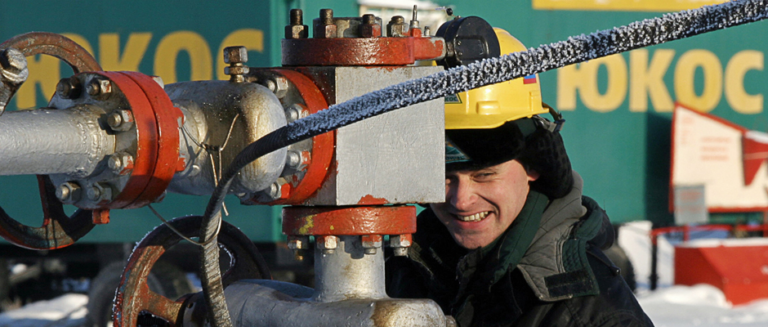
Yukos Oil was once Russia’s largest and most forward-thinking energy company — a privatised giant transformed through investment, transparency and Western-standard governance into an engine of growth employing 100,000 people across 50 regions. In 2003, President Putin moved to destroy it.
The courts were bent to the Kremlin’s will. Russia has refused to pay a single cent. GML is now pursuing enforcement across multiple jurisdictions. Real justice requires real consequences. Enforcement is how that happens.
Yukos Oil was Russia’s largest and most successful private energy company. In 2003, the Kremlin jailed its CEO on fabricated charges, bankrupted the company through fraudulent tax demands, and funnelled its assets to state-owned Rosneft. It was one of the most brazen acts of state expropriation in modern history.
Yukos Oil was Russia’s largest and most successful private energy company. In 2003, the Kremlin jailed its CEO on fabricated charges, bankrupted the company through fraudulent tax demands, and funnelled its assets to state-owned Rosneft. It was one of the most brazen acts of state expropriation in modern history.
Yukos Oil was Russia’s largest and most successful private energy company. In 2003, the Kremlin jailed its CEO on fabricated charges, bankrupted the company through fraudulent tax demands, and funnelled its assets to state-owned Rosneft. It was one of the most brazen acts of state expropriation in modern history.
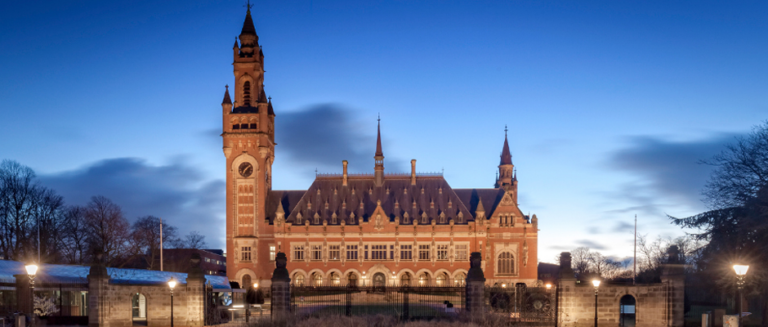
How a privatised energy company became the Kremlin's target, and why its former shareholders are still fighting for justice.
The legal process of converting an arbitral award into an enforceable judgment in a national court.
Without it, even the largest award in history remains a piece of paper. Enforcement gives it teeth.
Courts in signatory states to the New York Convention are required to recognise and enforce foreign arbitral awards — just as they would domestic ones.
More than $65 billion. And a precedent that shows no state is above the law.
An arbitral award is only as powerful as the willingness to enforce it. When a state refuses to comply, the law provides a mechanism — but it takes determination to use it.
Approximately €210 billion in Russian sovereign assets are immobilised at Euroclear in Belgium following international s…
Key date: 7 January 2024Rosneft Deutschland GmbH's 54.17% stake in the PCK Schwedt refinery — Germany's largest crude oil processing facility —…
Key date: 10 January 2024Eighteen registered EU trademarks for iconic Russian vodka brands — including Stolichnaya, Moskovskaya, and Starka — wer…
Key date: 3 August 2026Aenean vulputate eleifend tellus. Aenean leo ligula, porttitor eu, consequat vitae, eleifend ac, enim. Aliquam lorem ante, dapibus in, viverra quis, feugiat a, tellus.
Curabitur pretium tincidunt lacus. Nulla gravida orci a odio. Nullam varius, turpis et commodo pharetra, est eros bibendum elit, nec luctus magna felis sollicitudin mauris.
Maecenas tempus, tellus eget condimentum rhoncus, sem quam semper libero, sit amet adipiscing sem neque sed ipsum. Nam quam nunc, blandit vel, luctus pulvinar.
Lorem ipsum dolor sit amet, consectetur adipiscing elit. Sed do eiusmod tempor incididunt ut labore et dolore magna aliqua. Ut enim ad minim veniam, quis nostrud exercitation ullamco laboris.